
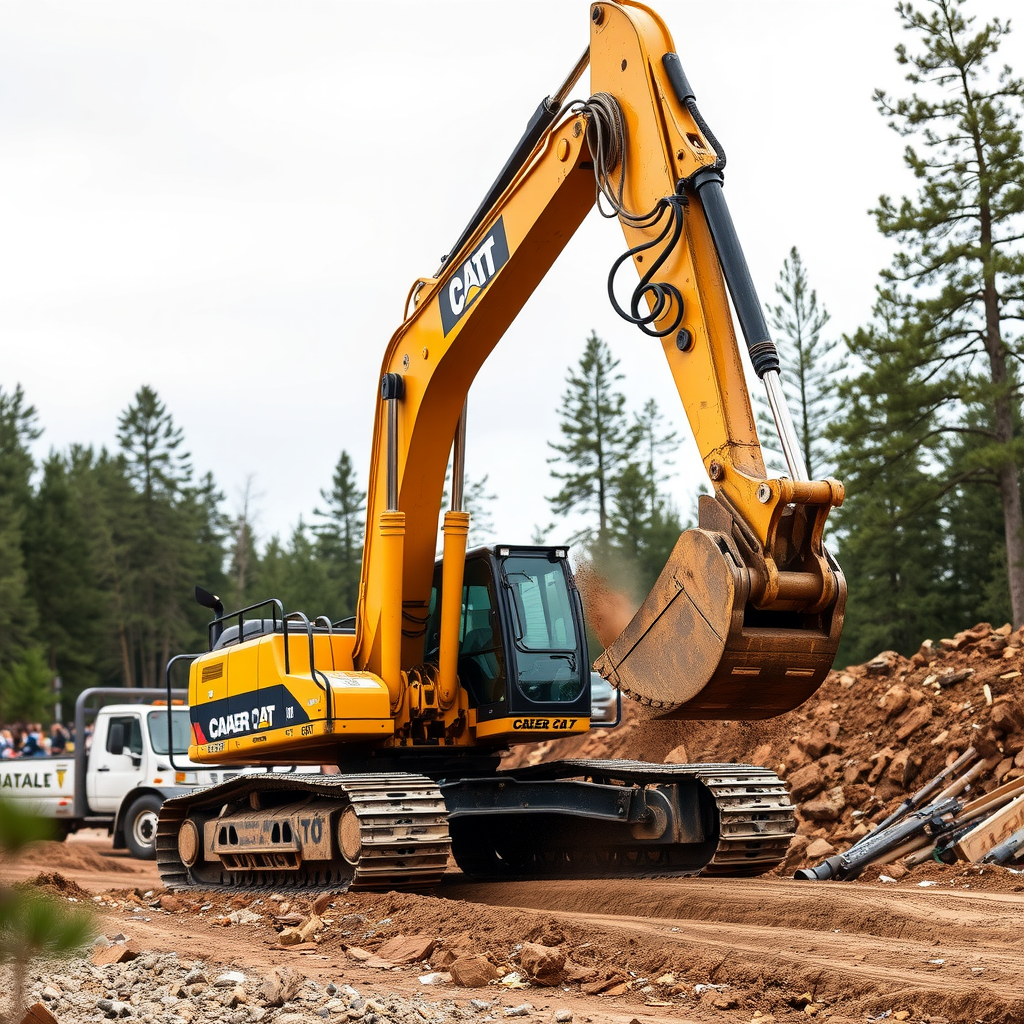
Purchasing a second hand excavator can be a savvy financial decision for contractors and companies looking to expand their fleet without breaking the bank. The market for excavators for sale, particularly used mini excavators and second hand excavators, has seen significant growth as more buyers recognise the value of investing in reliable pre-owned machinery. However, the process of selecting the right excavator is critical, as it directly impacts the efficiency and productivity of your operations.
This guide aims to equip you with the essential knowledge to make an informed decision when purchasing a second hand excavator. By understanding key factors such as machine condition, specifications, and market trends, you can choose the right equipment that suits your specific needs and budget.
Assess Your Requirements
Before diving into the options available, it’s vital to assess your specific requirements. Consider the following questions:
What type of projects will you be using the excavator for?
Understanding your primary applications—be it residential landscaping, large scale construction, or utility work—will inform your choice of size and capabilities.
What is your budget?
Establish a realistic budget that includes not only the purchase price but also potential maintenance and operational costs.
What is the expected frequency of use?
Frequent use may justify investing in a higher quality machine, while less frequent tasks might benefit from a smaller, more economical alternative.
Understand the Types of Excavators
The market features various types of excavators tailored for different tasks. Familiarising yourself with these can help narrow down your search:
-
Mini Excavators: These smaller machines are ideal for tight spaces and are particularly popular for landscaping and home improvement projects. Used mini excavators are often a cost-effective choice for smaller operations.
-
Standard Excavators: A versatile option for larger worksites, standard excavators provide excellent digging and lifting capabilities.
-
Crawler Excavators: Known for their mobility and stability, crawler excavators are effective on uneven terrain and are preferred for heavy-duty tasks.
-
Wheeled Excavators: These are ideal for urban environments where their mobility allows for easier transport between sites, though they may not have the same stability as crawlers.
Mini Excavators: These smaller machines are ideal for tight spaces and are particularly popular for landscaping and home improvement projects. Used mini excavators are often a cost-effective choice for smaller operations.
Standard Excavators: A versatile option for larger worksites, standard excavators provide excellent digging and lifting capabilities.
Crawler Excavators: Known for their mobility and stability, crawler excavators are effective on uneven terrain and are preferred for heavy-duty tasks.
Wheeled Excavators: These are ideal for urban environments where their mobility allows for easier transport between sites, though they may not have the same stability as crawlers.
Inspect the Machine
When considering any used mini excavator or second hand excavators, a thorough inspection is crucial. Here are key elements to evaluate:
-
Engine Performance: Start the machine to check for smooth operation. Listen for abnormal noises and observe any smoke emissions. A well-maintained engine will perform steadily without unexpected failures.
-
Hydraulics: Inspect the hydraulic system for leaks and test the swing, boom, and bucket functions. All movements should be smooth and responsive.
-
Undercarriage Condition: Assess the tracks or wheels for wear and tear. This can impact both performance and replacement costs.
-
Body Integrity: Look for signs of damage or rust that may indicate poor maintenance. Structural integrity is vital for operational safety.
-
Hours of Use: Check the machine’s hour meter. While more hours aren’t necessarily a bad sign, it’s best to compare the usage with the machine’s age and expected lifespan.
Engine Performance: Start the machine to check for smooth operation. Listen for abnormal noises and observe any smoke emissions. A well-maintained engine will perform steadily without unexpected failures.
Hydraulics: Inspect the hydraulic system for leaks and test the swing, boom, and bucket functions. All movements should be smooth and responsive.
Undercarriage Condition: Assess the tracks or wheels for wear and tear. This can impact both performance and replacement costs.
Body Integrity: Look for signs of damage or rust that may indicate poor maintenance. Structural integrity is vital for operational safety.
Hours of Use: Check the machine’s hour meter. While more hours aren’t necessarily a bad sign, it’s best to compare the usage with the machine’s age and expected lifespan.
Research the Seller
Due diligence on the seller is essential in ensuring you are getting a quality product. Consider the following:
-
Reputation: Research their history and customer reviews. A reputable seller will often have testimonials to showcase the quality of their excavators for sale.
-
Warranties and Guarantees: A credible seller may offer limited warranties or guarantees, providing peace of mind regarding your purchase.
-
Return Policy: Understand the seller’s return policy in case the machine does not meet your expectations or experiences issues shortly after purchase.
Reputation: Research their history and customer reviews. A reputable seller will often have testimonials to showcase the quality of their excavators for sale.
Warranties and Guarantees: A credible seller may offer limited warranties or guarantees, providing peace of mind regarding your purchase.
Return Policy: Understand the seller’s return policy in case the machine does not meet your expectations or experiences issues shortly after purchase.
Evaluate Financial Aspects
When looking at second hand excavators, financial considerations extend beyond the initial purchase price:
-
Long-Term Costs: Consider fuel efficiency and the potential need for spare parts. A machine that is economical to operate may save you money over time.
-
Depreciation Rates: Some brands and models retain their value better than others, which could be a factor should you decide to resell the machine in the future.
-
Financing Deals: Check if the seller offers financing options. Flexible payment plans can make larger purchases more manageable.
Long-Term Costs: Consider fuel efficiency and the potential need for spare parts. A machine that is economical to operate may save you money over time.
Depreciation Rates: Some brands and models retain their value better than others, which could be a factor should you decide to resell the machine in the future.
Financing Deals: Check if the seller offers financing options. Flexible payment plans can make larger purchases more manageable.
Looking for reliable second hand excavators? At https://www.sjhallplant.com, we offer a wide selection of excavators to suit every project. Our second hand options undergo rigorous inspection to ensure quality and performance. Whether you’re looking to buy or rent, you can trust our machinery to deliver exceptional results on-site. Save costs without compromising on quality by choosing our dependable second hand excavators today!
Test Drive the Excavator
Whenever possible, taking the machine for a test drive can be invaluable. Operating the excavator allows you to assess its performance from a user’s perspective. Pay attention to the comfort of the controls, visibility, and ergonomics, as these factors will affect operator efficiency and satisfaction.
Explore Your Options
The market for used mini excavators and second hand excavators is extensive, so explore various options before making a decision. Compare models, prices, and features across different sellers to ensure you are getting the best deal suited to your requirements.
By following this guide and utilising thorough research, you’ll be well on your way to selecting a reliable second hand excavator that meets both your operational needs and budget constraints. Investing time in choosing the right machinery can yield dividends in enhanced productivity and efficiency on the job site.