
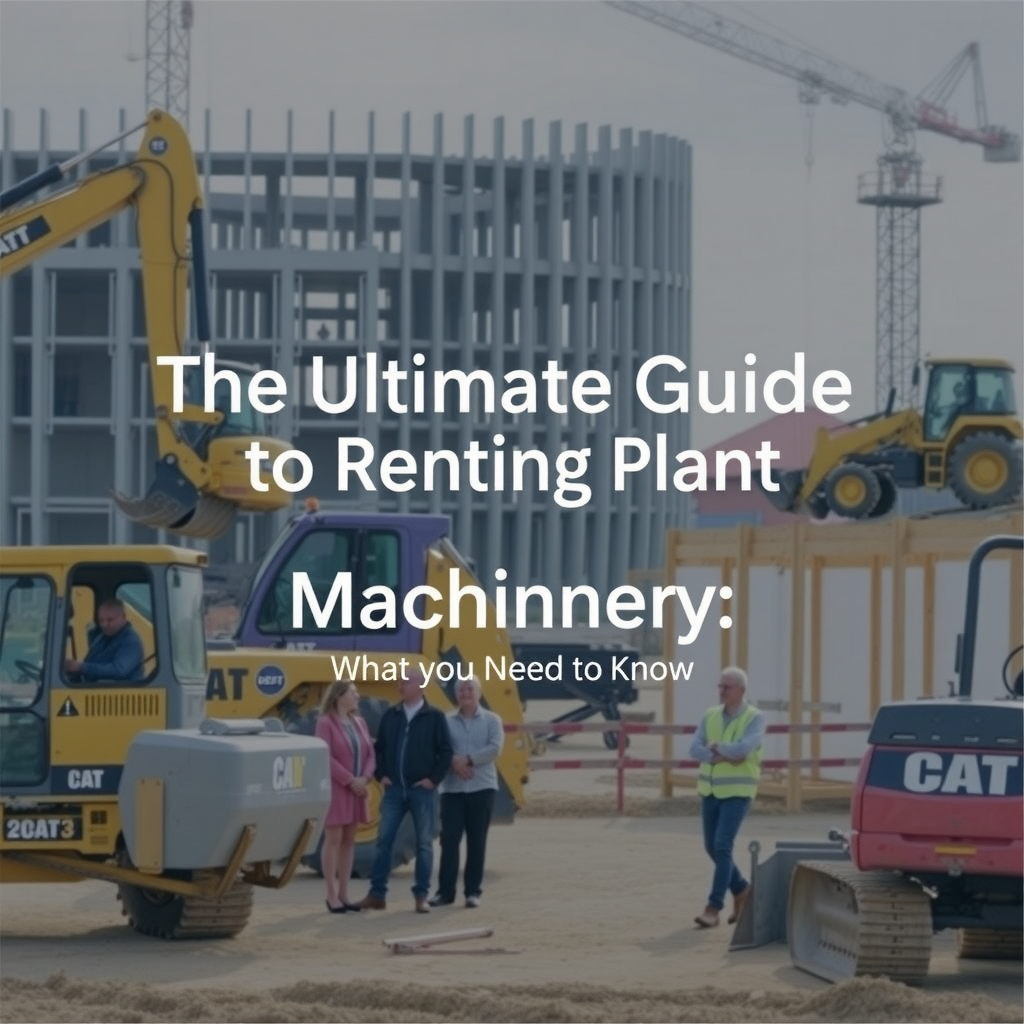
Renting plant machinery can be an effective way to secure the equipment you need without the hefty investment of purchasing outright. However, navigating the world of plant and equipment rentals can be daunting, especially for those new to the construction industry. This guide aims to demystify the process and provide essential insights into renting plant machinery.
Understanding Plant Machinery Rentals
Plant machinery is essential for many construction projects, from excavators and bulldozers to cranes and generators. Renting plant machinery allows businesses to access high-quality equipment without the associated costs of ownership such as depreciation, maintenance, and storage. When considering rentals, it’s important to assess your project needs carefully to ensure you select the right machinery.
For all your plant machinery needs, https://www.sjhallplant.com offers a comprehensive range of top-quality equipment for construction projects. Whether you’re looking to buy or rent, we ensure you have access to reliable machinery that enhances productivity and efficiency on site. Our expert team is dedicated to providing excellent service and maintenance support, ensuring your projects run smoothly and on time with the right plant machinery.
Key Benefits of Renting Plant Equipment
There are several advantages to renting plant equipment:
-
Cost-effective: Renting is often more affordable than buying, particularly for short-term projects. You avoid the large upfront costs associated with purchasing new equipment.
-
Latest technology: Renting allows access to the latest plant and machinery which may not be financially viable to purchase. This can improve efficiency and output on-site.
-
Flexibility: Renting provides the flexibility to adjust your equipment selections based on project requirements, enabling you to scale up or down as necessary.
Cost-effective: Renting is often more affordable than buying, particularly for short-term projects. You avoid the large upfront costs associated with purchasing new equipment.
Latest technology: Renting allows access to the latest plant and machinery which may not be financially viable to purchase. This can improve efficiency and output on-site.
Flexibility: Renting provides the flexibility to adjust your equipment selections based on project requirements, enabling you to scale up or down as necessary.
What to Consider Before Renting Machinery
Before committing to rent plant machinery, consider the following factors:
-
Project duration: Understand how long you’ll need the equipment to ensure you choose a rental contract that aligns with your project timeline. Short-term rentals may be more economical for quick jobs, while longer projects might necessitate a different approach.
-
Type of machinery needed: Identify the specific plant machinery required for your project. Too often, companies rent equipment without fully considering their needs, leading to unnecessary expenditure.
-
Transport and logistics: Determine how the machinery will be transported to and from your site. Some rental companies offer delivery services, while others may require you to arrange transportation.
Project duration: Understand how long you’ll need the equipment to ensure you choose a rental contract that aligns with your project timeline. Short-term rentals may be more economical for quick jobs, while longer projects might necessitate a different approach.
Type of machinery needed: Identify the specific plant machinery required for your project. Too often, companies rent equipment without fully considering their needs, leading to unnecessary expenditure.
Transport and logistics: Determine how the machinery will be transported to and from your site. Some rental companies offer delivery services, while others may require you to arrange transportation.
Selecting the Right Plant Equipment
When looking for plant equipment for sale or rental, several factors can aid your decision-making:
-
Reputation of rental companies: Research the reputation of various rental companies. Look for reviews and testimonials from previous clients to find a reliable provider.
-
Condition of equipment: Always inspect the plant machinery before renting. Ensure the equipment is well-maintained to avoid malfunction or breakdown during your project.
-
Support services: Consider whether the rental company offers support services, including maintenance or training on how to operate the machinery safely.
Reputation of rental companies: Research the reputation of various rental companies. Look for reviews and testimonials from previous clients to find a reliable provider.
Condition of equipment: Always inspect the plant machinery before renting. Ensure the equipment is well-maintained to avoid malfunction or breakdown during your project.
Support services: Consider whether the rental company offers support services, including maintenance or training on how to operate the machinery safely.
Evaluating Used Plant Equipment for Sale
For those considering purchasing equipment, evaluating used plant equipment for sale can be a wise choice. Many reputable companies sell refurbished machinery at competitive prices, which can offer substantial savings compared to new equipment. When assessing used inventory, remember to:
-
Check documentation: Ensure the equipment has relevant documentation, including maintenance records, safety compliance, and operating manuals.
-
Evaluate the equipment’s condition: Inspect the machinery thoroughly or hire a professional to conduct a comprehensive evaluation of its functionality.
-
Negotiate terms: Don’t hesitate to negotiate price and terms, including warranties and service agreements, to protect your investment.
Check documentation: Ensure the equipment has relevant documentation, including maintenance records, safety compliance, and operating manuals.
Evaluate the equipment’s condition: Inspect the machinery thoroughly or hire a professional to conduct a comprehensive evaluation of its functionality.
Negotiate terms: Don’t hesitate to negotiate price and terms, including warranties and service agreements, to protect your investment.
The Cost of Renting Plant and Equipment
The cost of renting plant and equipment can vary widely based on several factors:
-
Type of equipment: Different pieces of machinery come with varying rental rates depending on their size, power, and function. High-demand machines may fetch a premium rental price.
-
Duration of rental: Longer rental periods often come with discounts, while short-term rentals may be charged at a higher daily rate.
-
Insurance and deposits: Be prepared to pay a security deposit and potential insurance costs when renting machinery. Always clarify whether these costs are refundable upon the safe return of the equipment.
Type of equipment: Different pieces of machinery come with varying rental rates depending on their size, power, and function. High-demand machines may fetch a premium rental price.
Duration of rental: Longer rental periods often come with discounts, while short-term rentals may be charged at a higher daily rate.
Insurance and deposits: Be prepared to pay a security deposit and potential insurance costs when renting machinery. Always clarify whether these costs are refundable upon the safe return of the equipment.
The Importance of Safety and Compliance
When renting plant machinery, adhering to safety regulations is paramount. Understand the safety protocols associated with the equipment you intend to use and ensure that all operators are sufficiently trained and certified. Also, confirm that the rental company provides machinery that meets local safety standards to mitigate the risk of accidents or penalties during your project.
Making the Most of Your Rental Experience
To maximise the benefits of renting plant machinery, consider implementing best practices such as:
-
Proper training: Ensure that all team members operating the machinery receive adequate training. Safety should always be a priority on construction sites.
-
Maintenance checks: Regularly inspect the equipment during its rental period to ensure it operates effectively and safely.
-
Open communication with the rental company: Maintain clear communication with your rental provider concerning any issues that arise. Good rental companies are usually willing to assist with troubleshooting or exchanging equipment if necessary.
Proper training: Ensure that all team members operating the machinery receive adequate training. Safety should always be a priority on construction sites.
Maintenance checks: Regularly inspect the equipment during its rental period to ensure it operates effectively and safely.
Open communication with the rental company: Maintain clear communication with your rental provider concerning any issues that arise. Good rental companies are usually willing to assist with troubleshooting or exchanging equipment if necessary.
By understanding the essentials of renting plant machinery and following these guidelines, you can ensure a smooth and successful construction project, harnessing the right tools for the job without the financial burden of owning heavy machinery outright.