
When it comes to efficiently moving materials in a variety of industries, belt conveyers are a reliable choice. These systems are designed to transport goods smoothly and quickly, making them essential for businesses looking to streamline their operations. With a wide range of sizes and configurations available, belt conveyers can be customised to fit the specific needs of any operation. To learn more about the benefits of belt conveyers, visit conveyer belt conveyer.
If you’re new to the world of manufacturing or warehousing, you may have heard the term “conveyer belt conveyer” thrown around, but you might not fully understand what it means or how it works. In this beginner’s guide, we’ll take a closer look at conveyer belt conveyers, how they operate, and their various applications in different industries.
What is a Belt Conveyor?
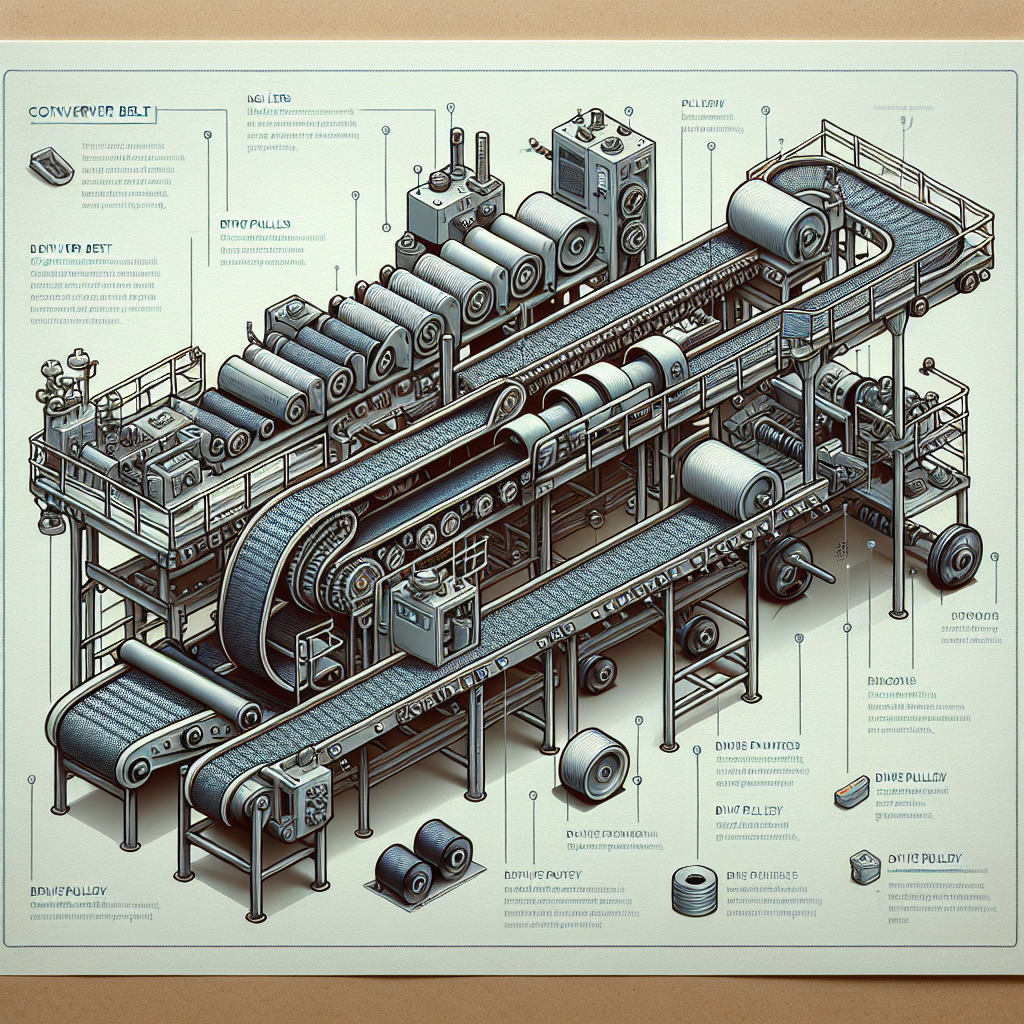
A belt conveyer, also known simply as a conveyer belt conveyer, is a mechanical device that is used to transport materials from one place to another. It consists of a continuous loop of material – the belt – that is stretched between two or more pulleys. The belt is driven by at least one of the pulleys, which causes it to move along the length of the conveyer, carrying materials with it.
Different Types of Belt Conveyors
There are several different types of belt conveyers available, each designed for specific purposes and applications. Some of the most common types of belt conveyers include:
Small Belt Conveyors
Small belt conveyers are compact conveyers that are typically used for transporting lightweight materials over short distances. They are commonly used in industries such as food processing and packaging.
Modular Belt Conveyors
Modular belt conveyers consist of individual modules that are linked together to form a continuous belt. These conveyers are versatile and can be easily customised to suit different applications.
Flat Belt Conveyors
Flat belt conveyers are flat, rectangular belts that are used for transporting a wide variety of materials. They are commonly used in industries such as mining, agriculture, and manufacturing.
Heavy Duty Belt Conveyors
Heavy-duty belt conveyers are designed to withstand extreme loads and harsh operating conditions. They are used in industries such as steel production, mining, and construction.
Components of a Belt Conveyor System
A typical belt conveyer system consists of several components that work together to transport materials efficiently. These components include:
Belt
The belt is the most critical component of a belt conveyer system. It is typically made from rubber, PVC, or other materials and is designed to withstand the rigours of everyday use.
Pulleys
Pulleys are used to drive the belt and control its movement. They can be located at either end of the conveyer or along its length, depending on the conveyer’s design.
Motor
The motor provides the power necessary to drive the belt and move materials along the conveyer. It is usually located near one of the pulleys and is connected to it via a drive mechanism.
Rollers
Rollers are used to support the belt and guide it along its path. They help reduce friction and ensure smooth operation of the conveyer.
Applications of Belt Conveyors
Belt conveyers can be found in a wide range of industries and applications, including:
Manufacturing
Belt conveyers are commonly used in manufacturing facilities to transport materials between different stages of the production process.
Warehousing
In warehouses, belt conveyers are used to move goods from one location to another, saving time and reducing the need for manual handling.
Agriculture
In the agricultural sector, belt conveyers are used to transport crops, grains, and other materials from one area to another for processing or storage.
Choosing the Right Belt Conveyor
When selecting a belt conveyer for your needs, it is essential to consider factors such as the type of materials being transported, the distance they need to travel, and the operating conditions. It is also important to choose a reliable belt conveyer supplier who can provide you with a high-quality conveyer that meets your specific requirements.
Whether you are looking for a heavy-duty belt conveyer for a mining operation or a small belt conveyer for a packaging facility, there is a wide range of belt conveyers available to suit your needs. By understanding how belt conveyers work and their various applications, you can select the right conveyer for your business and improve efficiency and productivity.