
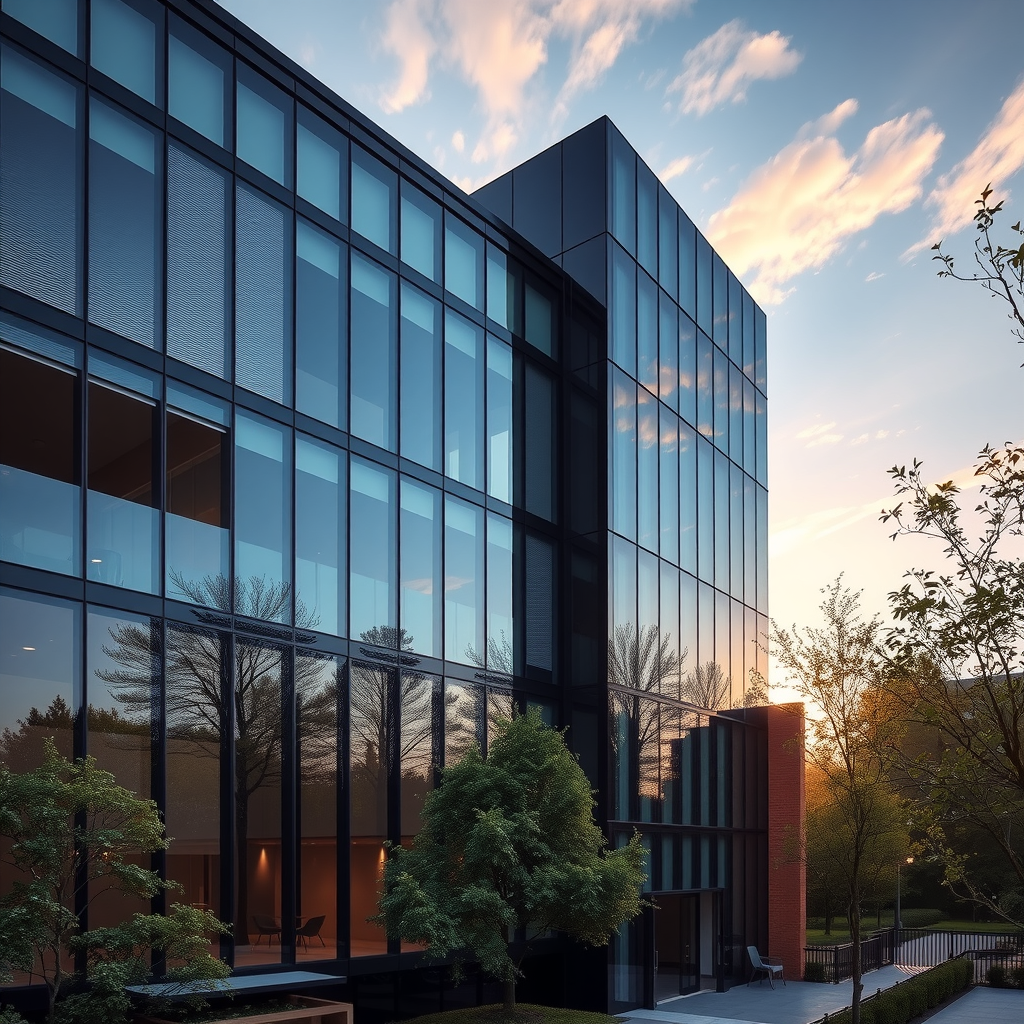
In an era where aesthetics, functionality, and sustainability are paramount, architectural glazing has emerged as a critical component in contemporary building design. As an architectural glazing company dedicated to innovation, we recognise the vital role that these products play in shaping our urban environments. This article delves into the myriad benefits of architectural glazing, highlighting its contributions to energy efficiency, aesthetic appeal, safety, and flexibility in design.
Enhancing Energy Efficiency
One of the most compelling advantages of architectural glazing lies in its ability to improve a building’s energy performance. Advances in glazing technology have led to the development of insulating glass units (IGUs) that significantly reduce heat transfer. These products are engineered to minimise thermal bridging, thereby maintaining a stable indoor climate regardless of external weather conditions.
Triple glazing, for example, offers enhanced insulation compared to traditional double glazing. This is particularly beneficial in commercial properties where large glass façades are common. By investing in high-performance architectural glazing products, building owners can greatly reduce heating and cooling costs, contributing to a lower carbon footprint and overall sustainability.
Moreover, the integration of Low-E (low emissivity) coatings in architectural glazing further enhances energy efficiency. These coatings reflect heat while allowing natural light to penetrate, ensuring that spaces remain bright and inviting without the need for excessive artificial lighting. This dual functionality allows architects to create inviting, well-lit environments that significantly lower energy consumption.
Aesthetic Appeal and Design Flexibility
Architectural glazing is not merely a functional element; it is a vital aspect of modern design. Given its versatility, architects can utilise a wide variety of glazing products to create stunning visual effects and manipulate natural light, thereby enhancing the overall aesthetic of a building.
The availability of different types of glass—such as tinted, patterned, or even smart glass—allows architects to push creative boundaries. Curved and structural glazing options enable unique architectural forms that were previously deemed impossible, adding a dynamic quality to the façade of buildings. By effectively using architectural glazing, designers can blur the lines between the indoor and outdoor spaces, creating seamless transitions and promoting a sense of openness.
In addition to visual appeal, architectural glazing allows for the incorporation of innovative safety features, such as laminated glass, which provides increased security while maintaining transparency. This enables architects to design installations that provide both beauty and functionality, demonstrating how architectural glazing can bridge the gap between art and engineering.
Sustainable Solutions and Environmental Impact
As the world grapples with climate change and the need for sustainable construction practices, architectural glazing presents a solution that aligns with global conservation efforts. For instance, the use of energy-efficient glazing products can substantially decrease a building’s reliance on artificial heating and cooling systems, thereby reducing greenhouse gas emissions over the structure’s lifespan.
Innovative glazing technologies, such as photovoltaic glass, are paving the way for buildings that actively contribute to energy generation. By harnessing solar power, these products can potentially transform façades into energy-producing surfaces, promoting a self-sustaining approach to building design. This not only enhances a building’s energy profile but also reflects a commitment to sustainable practices that resonate with occupants and communities alike.
Furthermore, many architectural glazing companies are prioritising the use of eco-friendly materials and manufacturing processes. This can include the sourcing of glass from recycled materials or utilising production methods that minimise environmental impact. As such, choosing the right architectural glazing partner is crucial for achieving both aesthetic and environmental goals.
Safety and Security Features
In addition to aesthetic and energy benefits, architectural glazing also prioritises safety and security. The materials used in modern glazing systems are rigorously tested to meet stringent safety standards, ensuring that they can withstand various types of impacts.
Laminated glass, a popular choice for both residential and commercial applications, consists of layers of glass bonded together with a polymer interlayer. This not only provides enhanced security against break-ins but also ensures that, in the event of shattering, the glass fragments adhere to the interlayer, reducing the risk of injury.
Moreover, advancements in glazing technology have resulted in the development of fire-rated glass that can withstand high temperatures and prevent the spread of flames and smoke. This is especially critical in commercial buildings where safety regulations require such measures. By integrating these safety features into architectural glazing, designers can create spaces that are not only visually appealing but also secure and compliant with regulatory standards.
Architectural glazing plays a critical role in modern building design, blending aesthetics with functionality. It allows for the infusion of natural light, enhancing the interior space while providing energy efficiency. The right choice of glazing materials can improve insulation, reduce noise, and contribute to a building’s overall sustainability. For innovative solutions in architectural glazing, consider exploring expert resources that can guide you through various options. Visit https://www.urbansquare.net/ for more information on cutting-edge designs.
FAQ: Architectural Glazing
What is architectural glazing?
Architectural glazing refers to the design, installation, and use of glass in buildings that serve both aesthetic and functional purposes. It incorporates various types of glass products, such as windows, facades, curtain walls, and skylights.
What are the benefits of using architectural glazing?
The benefits of architectural glazing include enhanced natural light intake, improved energy efficiency through insulation properties, increased aesthetic appeal for both interiors and exteriors, sound reduction capabilities, and increased property value.
How does architectural glazing affect energy efficiency?
Architectural glazing can significantly impact a building’s energy efficiency by utilising advanced technologies such as low-emissivity (Low-E) coatings or insulated glass units (IGUs) that help reduce heat loss in winter or minimise heat gain in summer. This can lead to lower heating and cooling costs.
What types of glass are commonly used in architectural glazing?
Common types of glass used include tempered glass (for strength), laminated glass (for safety), insulated glass units (for thermal performance), double-glazed or triple-glazed units (for insulation), and patterned/etched glass for aesthetic purposes.
Is architectural glazing suitable for residential buildings?
Yes! Architectural glazing is highly applicable to residential buildings because it enhances daylighting while providing aesthetic appeal. Modern designs increasingly integrate large glass panels to create open spaces with seamless indoor-outdoor transitions.
How do I choose the right type of architectural glazing for my building project?
Selecting the appropriate type requires considering factors such as climate conditions, specific design intentions, budget constraints, local codes/regulations، desired thermal performance,and the level of privacy required. Consulting with an architect or a professional glazier can provide tailored advice.
What maintenance is required for architectural glazing systems?
Maintenance typically includes regular cleaning to prevent dirt buildup on surfaces that may impair visibility. Periodically inspecting sealing systems around windows will help prevent water infiltration issues; furthermore,repairing chips or cracks promptly ensures longevity。
Can I incorporate smart technology into my architectural glazing design?
Absolutely! Smart technology can be seamlessly integrated into modern architectural glazing with features like switchable privacy glasses(electrochromic)or automated shading systems which adjust according to sunlight levels within your space,providing added convenience along with sustainability advantages。
Architectural glazing is a transformative element in modern building design, blending aesthetics with functionality while promoting sustainability and safety. As an architectural glazing company, we strive to offer innovative products that meet the evolving needs of architects and builders. With our commitment to excellence, we are proud to contribute to shaping the built environment for a more sustainable and visually appealing future.
If you have any more questions about architectural glazing, feel free to reach out!