In today’s fast-paced supply chains, efficiency is not a luxury—it’s a necessity. A well-implemented purchasing order system can transform procurement processes, reduce costs, and improve supplier relationships. This post examines how a PO system software solution can streamline operations, enhance visibility, and deliver measurable value across the organisation.
What a purchasing order system does
At its core, a purchasing order system organises the end-to-end procurement workflow. It tracks requisitions, converts them into purchase orders, manages approvals, and records supplier communications. By standardising these steps, businesses gain consistency, reduce manual errors, and accelerate cycle times. Modern po system software often integrates with other enterprise systems such as ERP, inventory management, and financials, creating a single source of truth for procurement data.
Key capabilities typically include:
- Requisition to purchase order conversion
- Automated approvals and routing rules
- Real-time order status updates
- Supplier master data management
- Receiving and invoicing integration
- Audit trails and compliance reporting
Why organisations choose cloud based purchase order systems
A cloud based purchase order system offers scalability, accessibility, and lower upfront costs compared with on-premises solutions. With cloud deployment, authorised users can initiate and track purchase orders from anywhere, which is particularly beneficial for multi-site organisations or remote teams. Cloud platforms also simplify software maintenance, updates, and security, as these responsibilities are managed by the provider.
Additionally, cloud based purchase order systems support rapid deployment and modular growth. Organisations can start with essential features and expand to advanced procurement analytics, supplier performance management, or e-invoicing as needs evolve. This flexibility is especially valuable in fluctuating market conditions where procurement processes must adapt quickly.
Improving procurement efficiency with purchasing order software
The primary objective of any po system is to eliminate bottlenecks and reduce cycle times. Several features contribute to efficiency gains:
- Standardised templates and workflows: Pre-defined PO templates, receipt of goods notes, and standard approval routes speed up processing and reduce errors.
- Electronic purchase order submission and acknowledgment: Moving away from paper-based processes minimises manual data entry and accelerates communication with suppliers.
- Automated approvals and escalation: Configurable approval hierarchies ensure POs are authorised promptly, and stalled items trigger automatic reminders.
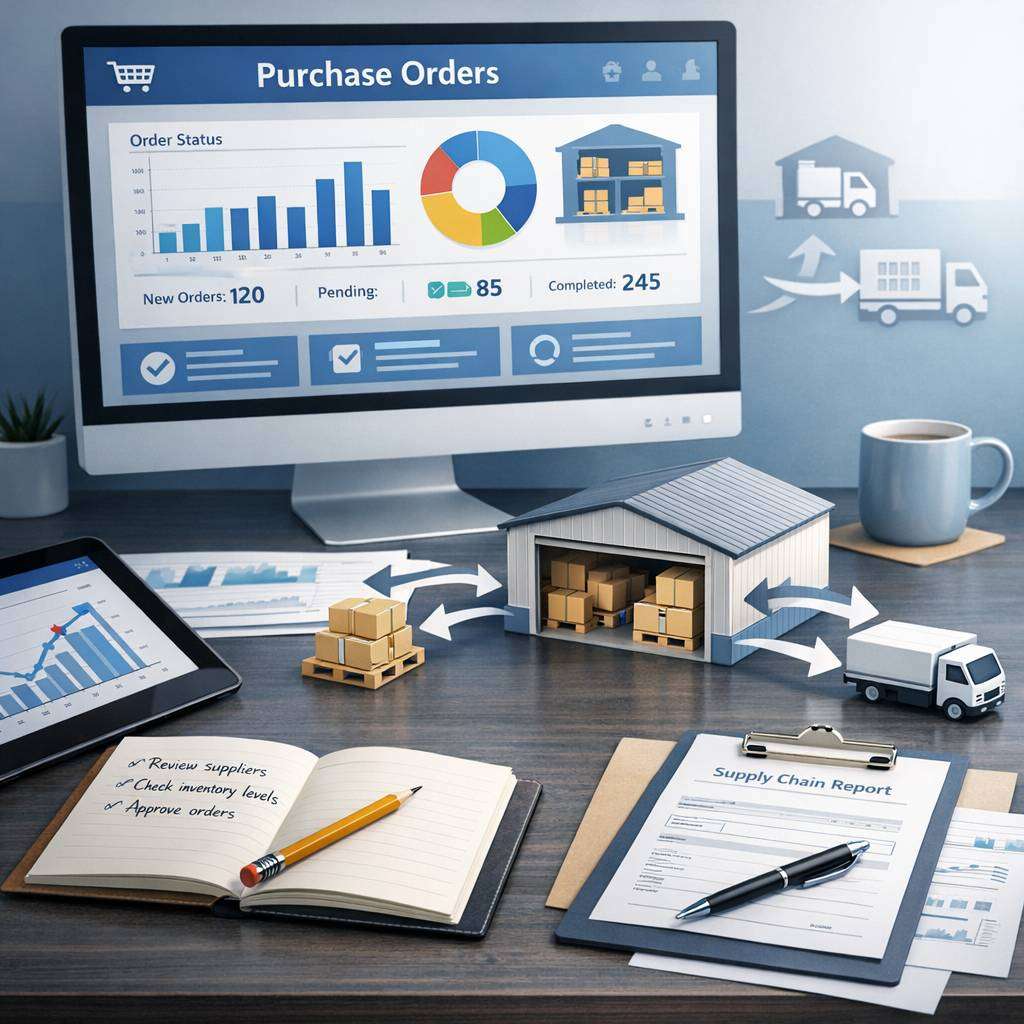
- Real-time visibility: Dashboards and live status updates let procurement teams track POs from creation to receipt, enabling proactive management.
- Supplier portal integration: A supplier portal connected to the po system software allows suppliers to view pending POs, respond with acknowledgments, and share shipment details, improving collaboration.
- Data integrity and compliance: Auditable trails and policy enforcement protect procurement activities and support regulatory compliance.
Enhancing supplier collaboration through an online purchase order system
Effective supplier collaboration hinges on speed, transparency, and accuracy. An online purchase order system streamlines communications and reduces misinterpretations. When suppliers receive electronic POs with complete data—line items, quantities, pricing, delivery dates, terms—they can respond faster with confirmations, amendments, or queries.
A robust po system software also supports electronic data interchange (EDI) and integrating supplier performance metrics. By capturing on-time delivery rates, quality issues, and responsiveness, organisations can make informed supplier selections, negotiate better terms, and drive continuous improvement.
Elevating inventory control and cash flow management
Procurement is intrinsically linked to inventory and cash flow. The right po system helps balance stock levels with demand, decreasing carrying costs and obsolete stock. Features such as:
- Automated reorder point triggers linked to inventory data
- Receiving against POs to confirm accuracy before invoicing
- Three-way matching (PO, receipt, and invoice) to prevent overpayment
- Early payment discounts captured through supplier terms
By aligning purchasing with actual demand, businesses can optimise working capital and reduce financial waste. A cloud based purchase order system further enhances cash flow management by consolidating data and enabling timely, data-driven decisions.
Data insights and procurement analytics
A purchase order management system generates a wealth of data that can be turned into actionable insights. Analytics dashboards may cover:
- PO cycle times by department or supplier
- Compliance with procurement policies
- Spender analysis by category, supplier, or region
- Po system uptime and user activity
- Cost avoidance and savings realised through negotiated terms
These insights support strategic procurement, enabling leadership to identify trends, renegotiate terms, consolidate suppliers, or implement process improvements. For organisations transitioning from manual to automated procurement, the insights alone can justify the investment by demonstrating tangible cost reductions and efficiency gains.
Implementing a cloud based purchase order system
Successful deployment requires careful planning and stakeholder engagement. Consider these steps:
The ROI of adopting a purchasing order system
Investing in a po system delivers several tangible benefits:
- Faster procurement cycles and reduced maverick purchasing
- Improved accuracy and fewer payment disputes
- Strengthened supplier relationships through consistent communication
- Better inventory control and reduced carrying costs
- Clearer visibility into procurement spend and savings opportunities
Even organisations with smaller procurement teams can realise substantial gains through automation and standardisation. Cloud based purchase order systems democratise access to procurement excellence, enabling cross-functional collaboration and smarter buying decisions.
A purchasing order system streamlines procurement, improves accuracy, and enhances supplier collaboration. By automating approval workflows and tracking status, teams save time and reduce errors. For more information visit https://cloudb2b.co.uk/ to explore robust solutions.
Choosing between po system software options
When evaluating po system software, consider:
- Integration capabilities with existing ERP, accounting, and inventory systems
- Availability of an online purchase order system interface for internal users and suppliers
- The ease of configuring approval workflows and spend controls
- Data security measures and compliance with relevant regulations
- Total cost of ownership, including subscription fees and potential implementation services
A well-chosen po system, whether branded as a purchasing order management system or a cloud based order platform, should feel seamless to end users while delivering robust governance and visibility.
If your organisation is ready to modernise procurement, a cloud based purchase order system or electronic purchase order system can serve as a transformative backbone. By consolidating requisitions, PO creation, approvals, receiving, and invoicing within a single, scalable platform, you unlock procurement excellence and set the stage for resilient supply chain operations.