
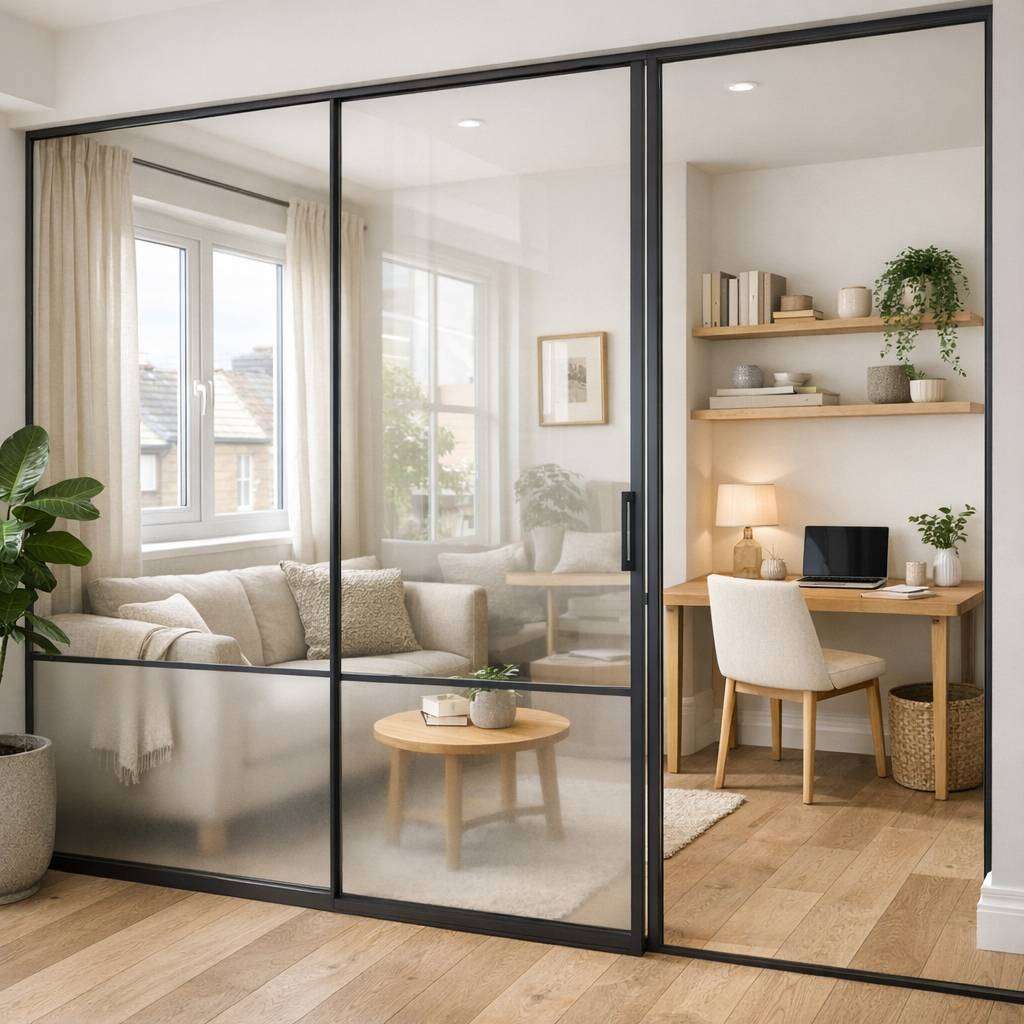
Glass partitions have moved beyond mere novelty to become essential tools in modern interior design. For small spaces, they offer a combination of light, openness, and functional separation that traditional walls simply cannot match. As an expert in spatial planning and contemporary office design, I’ve seen how the right glass wall solutions can transform a cramped environment into a thriving, efficient, and aesthetically pleasing workspace. Below, I outline practical benefits and practical tips for leveraging glass partitions in compact settings.
The core benefits of glass walls in small spaces
Glass partitions create the illusion of more space by allowing natural or artificial light to permeate every corner. This light transference reduces the perception of confinement, making busy work areas feel more breathable and welcoming. In addition, glass walls are highly versatile, supporting a range of configurations—from fixed glass wall solutions to movable glass office walls that can be reconfigured as needs evolve.
A well-chosen glass wall divider also contributes to acoustic control. Modern frosted glass office walls can provide privacy for meetings and focused work without creating a sense of isolation. Many glass partition installation projects incorporate acoustic ratings that balance openness with sound dampening, ensuring conversations remain confidential while general noise is mitigated.
Finally, glass walls are a sustainable choice. They maximise natural daylight, reduce the need for artificial lighting, and are typically low maintenance. When paired with energy-efficient glazing, they can contribute to lower utility bills and a smaller environmental footprint for the office.
Choosing the right glass wall solutions for your space
The versatility of glass partitions begins with material and design choices. Here are key considerations to guide selection:
- Glass type and finish: Clear glass creates an expansive feel, while frosted glass office walls offer privacy and diffuse light for collaborative spaces. Consider vinyl or digital frost patterns for branding or wayfinding.
- Framing and hardware: Frameless systems deliver a clean, contemporary look and maximise light transmission. Semi-framed or framed systems can provide structural reassurance in busy environments and offer easier installation.
- Acoustic performance: If noise is a concern, opt for glass with higher acoustic ratings or use double-glazed panels where feasible. Pairing glass partitions with soft furnishings or acoustic panels on partitions can further dampen sound.
- Access and circulation: For frequent traffic, movable glass office walls or sliding glass partitions can enhance flow and reduce friction between zones.
Designing with glass partitions: a practical approach
When planning glass partitions for a compact office, begin by mapping zones and workflows. Identify areas that require privacy, such as interview rooms or project studios, and distinguish them from zones that benefit from openness, like reception or collaboration hubs. Then translate these zones into glass wall solutions that maintain visual continuity while enabling purposeful separation.
- Use visual hierarchy: Vary transparency to denote private versus public spaces. For example, use clear glass for public zones and frosted glass for private rooms or document storage areas.
- Maintain sightlines: In small rooms, sightlines are critical. Narrow frames and slim profiles preserve openness, ensuring the space feels larger than it is.
- Plan for future flexibility: Small offices evolve quickly. Consider movable glass office walls that can be relocated or reconfigured as teams grow or processes shift.
Practical installation tips for small spaces
A successful glass partition installation hinges on precise measurement, quality hardware, and careful integration with existing elements. Here are practical tips to help you achieve a seamless result:
- Measure with precision: Small spaces magnify measurement errors. Double-check door openings, ceiling heights, and floor levels, factoring for tolerance in glass thickness and hardware.
- Prioritise safety: Ensure laminated or tempered safety glass is used, with compliant edge finishes and robust fixings. For high-traffic areas, consider partition solutions with impact resistance and slim, sturdy hardware.
- Plan for privacy without sacrificing light: Use frosted or acoustic glass where privacy is required. Consider transparent lower panels and frosted upper portions to balance openness with discretion.
- Integrate with furniture and technology: Coordinate with storage, desks, and audiovisual equipment. Wire access channels, gaskets, and cable management systems should be planned to preserve the clean look of glass wall dividers.
- Maintenance and upkeep: Clean glass partitions with non-abrasive cleaners to maintain clarity and gloss. Install removable seals or gaskets that simplify cleaning and replacement when needed.
Office design implications: creating a cohesive environment
Glass walls for office space can unify disparate zones while preserving functional autonomy. To achieve a cohesive aesthetic:
- Establish a consistent framework: Choose a uniform profile, hardware finish (chrome, matte black, or brushed brass), and glass thickness across all partitions to create visual harmony.
- Reflect brand identity: Incorporate branding through frosted patterns or etched logos on glass wall solutions. Subtle branding reinforces culture without overpowering the design.
- Balance openness with acoustics: In open-plan layouts, pair glass partitions with soft seating, rugs, and fabric screens to absorb sound and create intimate pockets without breaking the overall light-filled atmosphere.
FAQ: Glass Partition
What is a glass partition?
A glass partition is a movable or fixed divider made from glass panels that separates spaces within a room or building while maintaining an open, light-filled environment.
What are the benefits of using glass partitions?
- Maximizes natural light and reduces the need for artificial lighting
- Creates a sense of openness and modern aesthetics
- Improves sound separation when using laminated or acoustic glass
- Quick installation and flexible configurations
- Easy to clean and maintain
What types of glass partitions are available?
- Clear glass partitions
- frosted or etched glass partitions
- Laminated glass partitions for enhanced safety
- Tempered glass partitions for strength
- Acoustic glass partitions for better sound control
- Frameless, semi-framed, or framed systems
- Sliding, hinged, or bi-fold configurations
Are glass partitions safe for offices and homes?
Yes. Modern glass partitions use tempered or laminated glass, which is strong and designed to reduce injury risk. Optional features like safety coatings, edge protection, and secure framings enhance safety in both commercial and residential settings.
How do glass partitions affect privacy?
Privacy can be achieved with:
- Frosted, etched, or tinted glass
- Privacy films or coatings
- Acoustic laminated glass to reduce sound transmission
- Opaque panels or patterned glass for visual blocks
Can glass partitions improve acoustics?
Yes, especially when using laminated or acoustic glass, double-glazed configurations, or incorporating acoustic seals and ironmongery designed for sound control. It’s important to specify acoustic ratings based on room use.
What finishes and hardware are available?
- Frames: aluminum, timber, or frameless
- Hardware: handles, locks, rollers (for sliding systems), seals, and gaskets
- Edge finishes: bevel, polished, or satin
- Surface treatments: low-iron glass for clarity, anti-scratch, and anti-fog coatings
How do I measure for a glass partition installation?
You’ll need:
- Floor-to-ceiling or partial-height measurements
- Wall-to-wall or alcove dimensions
- Door opening size (for partitions with doors)
- Allowances for frame, seal, and hardware tolerancesIt’s best to have a professional take precise measurements for a perfect fit.
What is the installation process like?
- Site assessment and design
- Custom glass fabrication
- Frame and support preparation
- Glass panel installation with proper seals and gaskets
- Door hardware fitting (if applicable)
- Final adjustments and cleaning
How much does a glass partition cost?
Costs vary based on:
- Glass type (clear, frosted, laminated, tempered)
- Thickness (e.g., 6mm, 8mm, 10mm)
- Framed vs. frameless system
- Size and complexity of the installation
- Hardware, finishes, and any acoustic performance requirementsGet a detailed quote from a reputable supplier or contractor.
Are glass partitions suitable for bathrooms?
Yes, but you should choose appropriate glass options (e.g., tempered or laminated safety glass) and consider moisture-resistant framing and seals to prevent condensation and staining.
How do I maintain and clean glass partitions?
- Use non-abrasive glass cleaners and soft microfiber cloths
- Wipe away fingerprints and dust regularly
- Clean frames and hardware per manufacturer guidance
- Check seals and gaskets periodically for wear or damage
Do glass partitions require planning permission?
In many places, installing interior glass partitions does not require building permits, but there may be exceptions depending on local codes, fire ratings, or structural work. Check with your local authorities or building management.
Can I install glass partitions myself?
While DIY installation is possible for simple, framed systems, complex or large, frameless, or fire-rated partitions should be installed by licensed professionals to ensure safety, stability, and compliance with codes.
How long do glass partitions last?
With proper care and appropriate materials, glass partitions can last many years. Laminated safety glass and durable framing components contribute to longevity, while coatings protect against wear.
What should I consider when selecting a glass partition supplier?
- Product certification and safety ratings (tempered/laminated glass)
- Customization options (size, thickness, finish)
- Acoustic performance specifications
- Lead times, installation services, and warranty
- After-sales support and maintenance guidance
Can glass partitions be recycled or recycled-friendly?
Yes. Glass is recyclable, and many systems are designed for disassembly. Check with your supplier about recyclable materials and take-back programs for frames and hardware.
A glass partition enhances openness while maintaining privacy in modern spaces. It creates light flow and reduces noise, ideal for offices and homes alike. For more design ideas, visit https://www.urbansquare.net/ to explore stylish options.
Real-world benefits in daily operations
Beyond aesthetics, glass partitions support practical benefits that resonate with day-to-day work life:
- Enhanced collaboration: Transparent boundaries encourage spontaneous conversations and quicker decision-making, while clearly defined spaces prevent interruptions during deep work.
- Increased perceived space: The light-transmitting nature of glass makes small offices feel airier, improving occupant mood and satisfaction.
- Flexible scalability: Movable glass office walls enable rapid reconfiguration for evolving teams, seasonal workloads, or project-based needs without major refurbishments.
- Improved client impressions: Glass wall divider systems project a modern, professional image, enhancing client confidence in your organisation.
Integrating glass walls into your next project
If you are considering glass wall solutions for a small space, engage with a specialist who can tailor a plan to your specific dimensions, lighting, and acoustic requirements. A thoughtful combination of glass partition installation, frosted glass office walls where privacy is needed, and movable glass office walls for flexibility can yield a workspace that is both beautiful and highly functional.
In short, glass partitions are not merely visual flourishes. They are strategic design tools that unlock the full potential of small spaces, delivering light, flexibility, and practical efficiency in everyday work. Whether you are upgrading an existing office or designing a new space, embracing glass walls for office space is a forward-thinking choice that pays dividends in performance and well-being.