
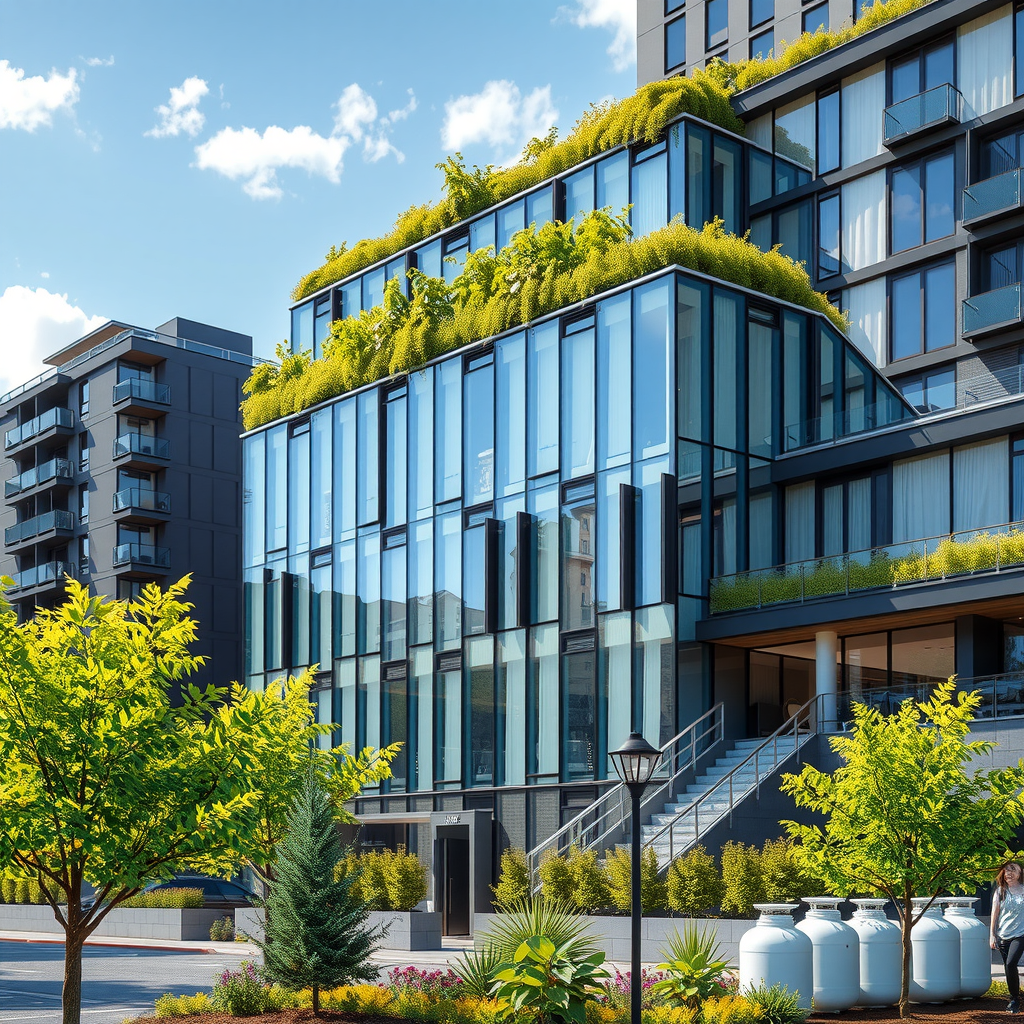
In recent years, the construction industry has increasingly embraced sustainability, prompting architects, builders, and developers to explore innovative solutions that reduce environmental impacts. Among these solutions, architectural glazing products play a crucial role in enhancing energy efficiency, improving aesthetics, and ensuring occupant comfort. As an expert in architectural glazing, I aim to shed light on the top trends in this field that are shaping the future of sustainable construction.
Architectural Glazing: An Overview
Architectural glazing refers to the design and installation of glass in buildings, encompassing everything from windows and skylights to glass facades and curtain walls. It not only serves aesthetic purposes but also contributes significantly to the energy performance of a building. The latest trends in architectural glazing products focus on integrating sustainability with cutting-edge technology, thereby revolutionising modern construction practices.
Energy-Efficient Glazing Products
One of the most significant trends in architectural glazing products is the development of energy-efficient glazing solutions. These products are designed to minimise solar heat gain, reduce the need for artificial lighting, and ultimately lower energy consumption for heating and cooling.
Key innovations in this area include:
-
Low-E Glass: Low-emissivity (Low-E) glass features a special coating that reflects infrared light, keeping heat inside during colder months while reflecting it in warmer months, thus optimising thermal performance.
-
Triple Glazing: This technology incorporates three glass panes instead of two, thereby increasing insulation and reducing heating costs, making it ideal for colder climates.
-
Vacuum Insulated Glass: This advanced glazing type contains no gas between its panes; instead, it uses vacuum insulation, resulting in exceptional thermal performance with thinner profiles.
Low-E Glass: Low-emissivity (Low-E) glass features a special coating that reflects infrared light, keeping heat inside during colder months while reflecting it in warmer months, thus optimising thermal performance.
Triple Glazing: This technology incorporates three glass panes instead of two, thereby increasing insulation and reducing heating costs, making it ideal for colder climates.
Vacuum Insulated Glass: This advanced glazing type contains no gas between its panes; instead, it uses vacuum insulation, resulting in exceptional thermal performance with thinner profiles.
These energy-efficient architectural glazing products not only help reduce carbon footprints but also provide long-term financial savings for building owners and occupants.
Innovative Glazing Technologies
Architectural glazing companies are continuously developing new technologies that enhance the performance and functionality of glazing products. Some of the most exciting advancements include:
-
Smart Glass: Also known as switchable glass, smart glass technology can change its properties in response to environmental conditions, such as heat and sunlight. This technology allows users to control light and heat entering a space, enhancing comfort while saving energy.
-
Solar-Control Glass: By incorporating a layer of special coatings, solar-control glass reduces glare and heat from sun exposure, making buildings more comfortable without sacrificing natural light.
-
Self-Cleaning Glass: This innovative product uses a chemical reaction from sunlight that breaks down organic dirt on the glass surface, reducing maintenance costs and contributing to a cleaner, more sustainable building environment.
Smart Glass: Also known as switchable glass, smart glass technology can change its properties in response to environmental conditions, such as heat and sunlight. This technology allows users to control light and heat entering a space, enhancing comfort while saving energy.
Solar-Control Glass: By incorporating a layer of special coatings, solar-control glass reduces glare and heat from sun exposure, making buildings more comfortable without sacrificing natural light.
Self-Cleaning Glass: This innovative product uses a chemical reaction from sunlight that breaks down organic dirt on the glass surface, reducing maintenance costs and contributing to a cleaner, more sustainable building environment.
These technologies are, quite literally, reshaping the way we think about architectural glazing, creating smarter, more functional spaces.
Sustainable Sourcing and Manufacturing Practices
An essential trend in the architectural glazing industry is the growing emphasis on sustainable sourcing and manufacturing practices. Architectural glazing companies are now prioritising environmentally friendly materials and processes, which has a significant impact on the entire lifecycle of glazing products.
For instance:
-
Recycled Glass: Using recycled glass in the manufacturing of new glazing products significantly reduces energy consumption and waste. Reclaimed materials also play an important role in reducing the carbon footprint associated with producing new materials.
-
Eco-Friendly Adhesives and Sealants: The use of low-VOC (volatile organic compounds) adhesives and sealants in the installation of glazing products enhances indoor air quality and reduces harmful emissions.
-
Sustainable Production Methods: Many companies are adopting energy-efficient manufacturing processes and utilising renewable energy sources in their production lines, aligning with global efforts to combat climate change.
Recycled Glass: Using recycled glass in the manufacturing of new glazing products significantly reduces energy consumption and waste. Reclaimed materials also play an important role in reducing the carbon footprint associated with producing new materials.
Eco-Friendly Adhesives and Sealants: The use of low-VOC (volatile organic compounds) adhesives and sealants in the installation of glazing products enhances indoor air quality and reduces harmful emissions.
Sustainable Production Methods: Many companies are adopting energy-efficient manufacturing processes and utilising renewable energy sources in their production lines, aligning with global efforts to combat climate change.
By adopting these practices, architectural glazing companies are not only contributing to a more sustainable future but also positioning themselves as leaders in responsible manufacturing.
Architectural glazing products play a crucial role in modern building design, enhancing aesthetic appeal while providing functional benefits such as energy efficiency and safety. These products are available in various forms, including insulating glass, tempered glass, and laminated structures, each serving unique purposes. Architects and builders increasingly rely on innovative glazing solutions to create stunning facades that allow natural light while reducing heat loss. For a comprehensive range of high-quality architectural glazing products, visit https://www.urbansquare.net/.
Aesthetic Integration in Sustainable Design
Another prominent trend in architectural glazing products is the focus on aesthetic integration. As sustainability becomes a core principle in architectural design, developers are increasingly searching for glazing solutions that are both environmentally friendly and visually appealing.
-
Customisable Glazing Options: Architectural glazing products are now highly customisable, allowing architects to create unique designs that align with both the building’s functionality and aesthetic vision. Options such as coloured glass, patterned designs, and intricate framing systems can enhance the overall appeal of a project.
-
Biophilic Design: Integrating natural elements into architecture is crucial for occupant wellbeing. Large glass panels and facades are being used to connect interior spaces to the outside world, allowing natural light and views of nature to flow into the building. This enhances not only the environmental quality but also the overall experience for occupants.
Customisable Glazing Options: Architectural glazing products are now highly customisable, allowing architects to create unique designs that align with both the building’s functionality and aesthetic vision. Options such as coloured glass, patterned designs, and intricate framing systems can enhance the overall appeal of a project.
Biophilic Design: Integrating natural elements into architecture is crucial for occupant wellbeing. Large glass panels and facades are being used to connect interior spaces to the outside world, allowing natural light and views of nature to flow into the building. This enhances not only the environmental quality but also the overall experience for occupants.
The collaboration between sustainability and aesthetics ensures that modern buildings are both functional and visually striking, aligning with contemporary design trends.
Conclusion
The landscape of architectural glazing is rapidly evolving to meet the demands for sustainable construction. With a growing emphasis on energy efficiency, innovative technologies, sustainable sourcing and manufacturing, and aesthetic integration, architectural glazing products are paving the way for a greener future. As an essential component of modern architecture, these products are not only changing the way we design and build but also shaping a sustainable legacy for future generations.